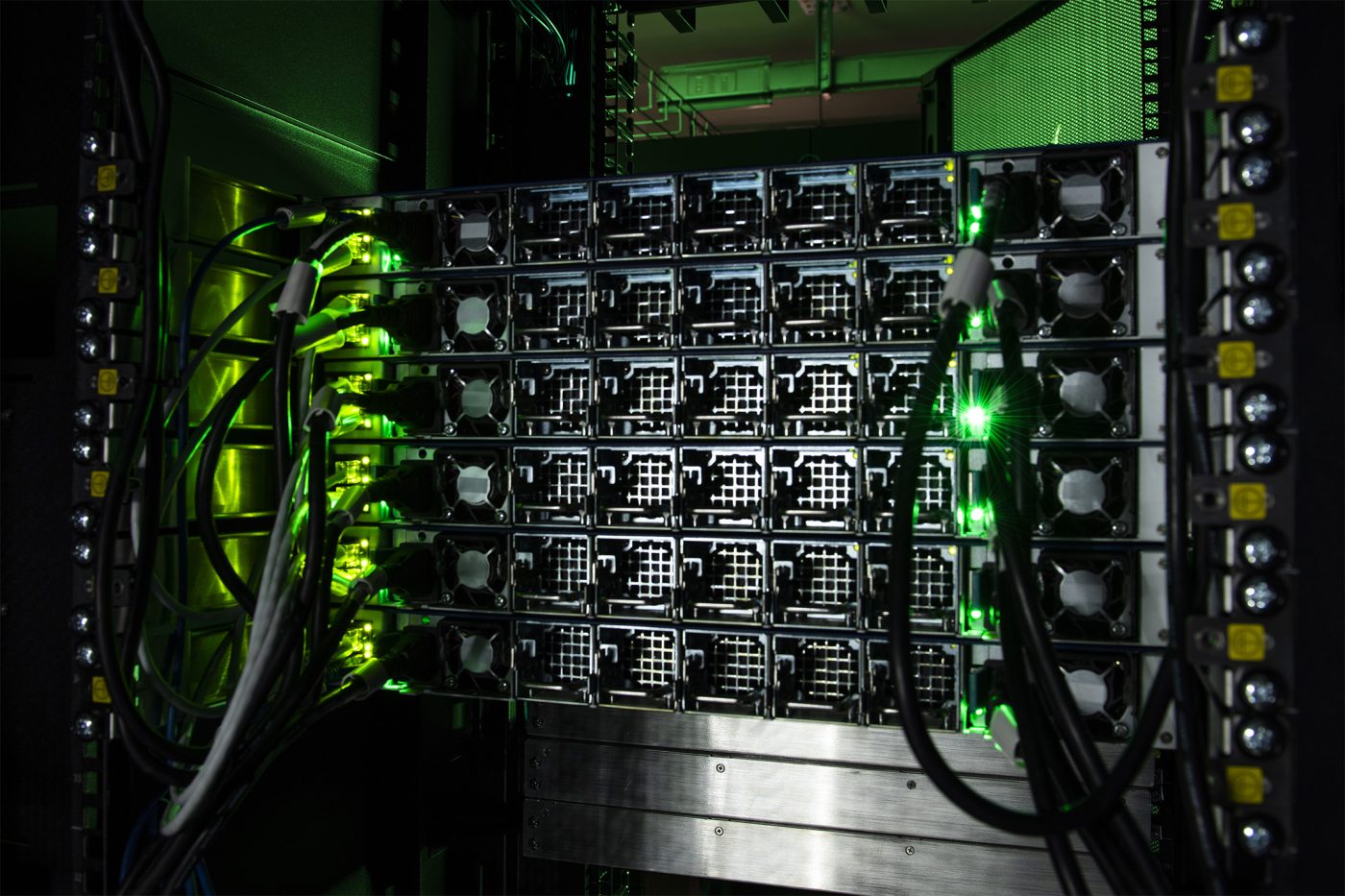
The executive president of MIX explains how distributed infrastructure, edge computing and greater digital literacy can accelerate the country’s development. “The fiber is there, but it is not yet being used: the state must simplify, incentivize, and spread digital culture.”
Ultra-broadband is available in Italy, but it is not enough. The gap between highly connected areas and regions that are still lagging behind continues to slow down the country’s growth. This is where, according to Alessandro Talotta, Executive President of MIX – Italy’s leading Internet Exchange, where data from over 400 networks intersect every day – the real game of competitiveness is played. “The challenge is not only to build infrastructure, but to make it work better, bringing interconnection and content as close as possible to users,” explains Talotta, who points to four priorities: distributed infrastructure, edge capacity, public-private collaboration, and a major effort in digital literacy. MIX is already investing in this path, expanding its territorial presence and activating new regional nodes such as Bologna, where caching and local peering improve performance and costs even in less served areas.
Italy still shows a marked difference between areas with high digital readiness and areas with a greater digital divide. What strategies do you consider essential to accelerate the country’s digital development in a uniform manner, and what role can MIX play in this process?
MIX is an Internet Exchange Point: it offers interconnection services that help develop data traffic in Italy. It is the leading platform on the national market and connects over 400 networks, which exchange enough traffic every day to handle more than 140,000 simultaneous 4K video streams. Our mission is to spread Internet culture and support the growth of small operators, thereby creating a stronger and more accessible digital ecosystem. Although almost the entire population is online, the adoption of fiber optics in homes and businesses is still low compared to the available infrastructure. This means that many users are already satisfied with current performance or consider migration to new technologies to be expensive or unnecessary. For this reason, the government must accelerate the use of fiber optics, digitize services more quickly, and offer simple and accessible tools to citizens.
How?
In our opinion, the strategy must be based on four points:
1. Distributed and interoperable infrastructure
2. Local/edge capacity to reduce latency and costs
3. Targeted incentives and public-private collaboration
4. Greater digital literacy for citizens and businesses
It is not enough to bring fiber to the cabinet or building: exchange points and caching systems distributed and connected to content providers are needed to keep traffic close to users and improve performance and costs in less well-served areas. MIX is already contributing to this development. In addition to our historic headquarters in Milan, we are expanding our presence across the country with regional peering nodes that make interconnection easier and more convenient for businesses and citizens.
How about a real-life example?
The installation of caching systems at MIX Bologna, in collaboration with our partners, brings content closer to users and improves the quality of the digital experience. These initiatives help to spread the benefits of connectivity more evenly across the territory.
What are the main obstacles — both infrastructural and cultural — to the widespread adoption of fiber optics and advanced digital services?
On the infrastructure side: government intervention and the Pnrr/Infratel tenders are necessary to bridge the gap; network planning and mapping remain critical activities, especially in terms of permits, and the return on investment must be satisfactory. Reducing timeframes and simplifying authorizations would make the system more efficient and enable operators to develop infrastructure more effectively. On the cultural and market front: there are barriers to demand (poor digital literacy among part of the population and in SMEs), resistance to organizational change, and business models that do not yet take full advantage of cloud/edge services. In addition, the perception of access costs and the lack of simple commercial offers for SMEs are slowing adoption. Overcoming these obstacles requires a combination of tools: local training programs, incentives for service trials (smart cities, local healthcare, advanced manufacturing, AI adoption in agriculture), and interconnection infrastructure that reduces transit costs and encourages the entry of CDNs, clouds, and local operators. MIX’s role is to facilitate this ecosystem: lowering the cost of interconnection, hosting caches and on-ramps to the cloud/edge, and connecting national and local operators.
A key issue is technological sovereignty and the need for European regulation: how does MIX collaborate with national and European institutions, and what concrete initiatives are underway?
MIX collaborates with national and European institutions by participating in technical committees and working groups on network security, interconnection, and Internet exchange neutrality. We are involved in initiatives concerning the resilience of critical infrastructure, the standardization of peering practices, and the promotion of open and interoperable interconnection models.
What role does MIX play in the integration of agentic AI, 5G, edge and spatial computing?
Over the next 3–5 years, MIX will play a key role in integrating technologies such as agentic AI, 5G, edge computing, and spatial computing. The goal will be to bring interconnection closer to the end user, reduce latency and costs, and create an environment where advanced applications can run efficiently and securely. MIX will enable this ecosystem by hosting edge nodes, smart caches, and direct connections to cloud and AI providers.
At the beginning of 2026, Europe will launch the Digital Networks Act: what is MIX’s position on the DNA itself? And what about the delicate issue of competition and the sustainability of infrastructure investments?
MIX is following the evolution of the Digital Networks Act with interest, recognizing its goal of creating a more coordinated European framework for the development of digital infrastructure. In this context, we believe it is important that the DNA contributes to promoting sustainable investment, ensuring stable market conditions, and promoting an interoperable approach among operators. With regard to competition, economies of scale, and investment sustainability, we welcome the European legislator’s intention to identify models that make the implementation and management of networks more efficient, while maintaining a diverse and open ecosystem. It is essential that the new rules ensure a balance between industrial needs, innovation, and the protection of the plurality of actors. As a neutral Internet Exchange, MIX will continue to provide technical input in the appropriate contexts and to collaborate with institutions and operators to ensure that the solutions identified promote orderly growth in the sector without altering the principles of openness and interoperability that characterize the Internet ecosystem.